

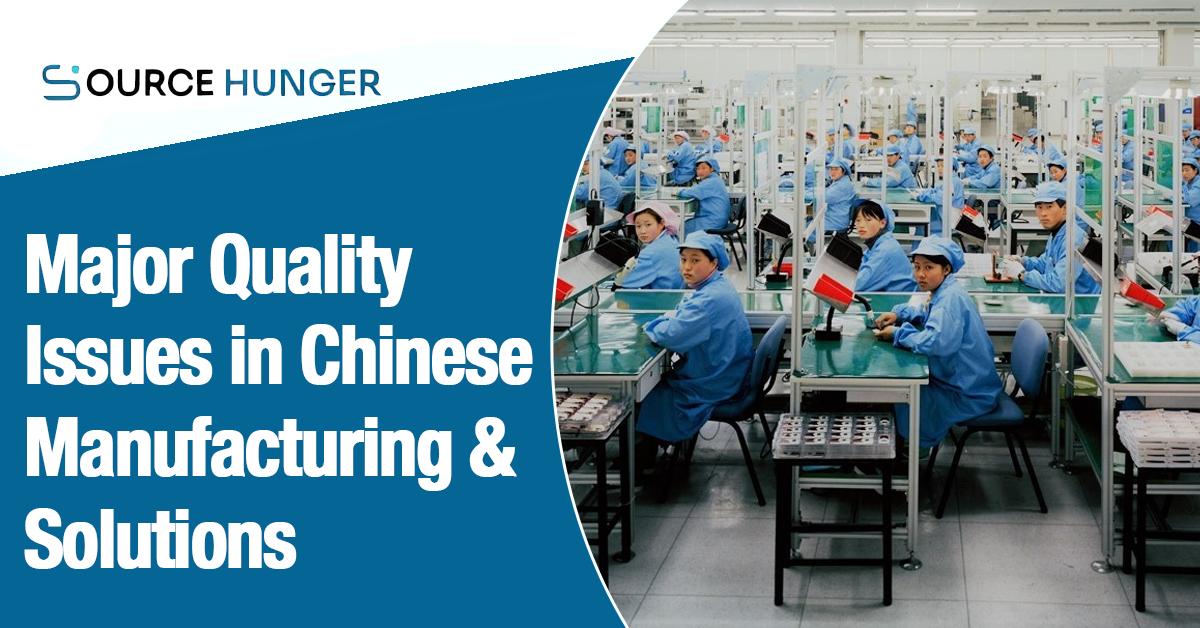
China stands out as a major player in the global manufacturing space. However, quality issues can sometimes overshadow the advantages of cost-effective production. Understanding common quality problems and implementing strategies to avoid them is crucial for businesses aiming for excellence. TECHNTH guide delves into prevalent manufacturing defects in China and provides actionable quality control tips to ensure superior outcomes.
Understanding Chinese Manufacturing
China’s manufacturing sector is vast and varied, producing everything from electronics to textiles. However, with such diversity comes a range of quality control challenges. While many factories maintain high standards, inconsistencies can occur, particularly in smaller or less experienced operations.
To mitigate risks, it’s essential to research the manufacturing landscape thoroughly. Identify regions and factories known for specific products and their quality reputation. Establishing a clear understanding of the market is the first step toward successful production.
Common Quality Issues in Chinese Manufacturing
Quality issues in China can manifest in various forms, from material discrepancies to substandard workmanship. One prevalent problem is the use of inferior materials, which can compromise product durability and performance. Manufacturers might substitute cheaper alternatives to cut costs, leading to significant quality concerns.
Another common issue is inconsistent production processes. Variations in manufacturing techniques can result in products that do not meet specifications. This inconsistency can stem from inadequate training, lack of standardized procedures, or oversight during production.
Identifying Material Discrepancies
Material discrepancies are a frequent source of manufacturing defects. Suppliers may use substandard materials that fail to meet the required specifications, leading to products that are prone to failure. This issue is particularly prevalent in industries such as electronics, textiles, and plastics.
To combat this, establish stringent material verification processes. Require suppliers to provide detailed material certifications and conduct independent testing to confirm compliance with your specifications. Regular audits of material quality can also help in identifying potential issues early on.
Ensuring Consistency in Production Processes
Inconsistent production processes can lead to variations in product quality, which can be detrimental to brand reputation. Factors contributing to inconsistency include inadequate worker training, lack of process standardization, and insufficient supervision.
Implementing a comprehensive training program for factory workers is essential. Ensure that all workers are familiar with the production standards and procedures. Additionally, standardize processes across production lines to minimize variations. Regularly monitor and evaluate production processes to maintain consistency.
Managing Quality Control in High-Volume Production
High-volume production often amplifies quality issues. As production scales up, maintaining uniform quality becomes more challenging. Problems that might be negligible in small batches can become significant when producing large quantities.
One effective strategy is to implement a robust quality control system that includes regular inspections at various stages of production. This proactive approach allows for the early detection of defects and prevents defective products from reaching the market. Employing automated inspection technologies can also enhance accuracy and efficiency in quality control.
Addressing Communication Gaps & Quality Issues
Effective communication between the buyer and manufacturer is critical in preventing quality issues. Misunderstandings and miscommunications can lead to incorrect specifications, production errors, and ultimately, defective products.
To bridge communication gaps, establish clear and concise communication channels. Use detailed contracts and specifications, and ensure that both parties fully understand the requirements. Regular updates and progress reports can also help in keeping both parties aligned and addressing any issues promptly.
Implementing Third-Party Inspections
Third-party inspections are a valuable tool in ensuring product quality. Independent inspection agencies can provide unbiased evaluations of the manufacturing process and product quality. These inspections can be conducted at various stages of production, from raw material verification to pre-shipment inspections.
Choose reputable third-party inspection agencies with expertise in your industry. Their assessments can provide an additional layer of assurance and help in identifying and addressing quality issues before products leave the factory.
Leveraging Technology for Quality Control & Quality Issues
Advancements in technology offer new opportunities for enhancing quality control in manufacturing. Automated inspection systems, such as vision inspection systems, can detect defects with high precision and consistency. These technologies can be integrated into the production line to provide real-time quality assessments.
Additionally, using data analytics can help in identifying patterns and trends in production quality. Analyzing production data can reveal underlying issues and guide improvements in manufacturing processes.
Building Long-Term Relationships with Suppliers
Establishing long-term relationships with suppliers can significantly improve quality outcomes. Long-term partnerships foster trust and collaboration, making suppliers more invested in maintaining high standards. Regular engagement with suppliers can also facilitate better communication and quicker resolution of issues.
To build strong relationships, work closely with suppliers to understand their capabilities and limitations. Provide feedback and support to help them improve their processes. A collaborative approach can lead to mutually beneficial outcomes and enhanced product quality.
Conclusion: Achieving Excellence in Chinese Manufacturing
Now you understand why Pre-Production Inspections Are Essential for Manufacturing Quality. Quality issues in Chinese manufacturing are not insurmountable. By understanding common problems and implementing strategic quality control measures, businesses can achieve consistent and high-quality production. From material verification to leveraging technology and fostering supplier relationships, a proactive approach to quality control is essential. By following these guidelines, you can navigate the complexities of Chinese manufacturing and ensure that your products meet the highest standards.
FAQs
What are the most common quality issues in Chinese manufacturing?
Common issues include material discrepancies, inconsistent production processes, and lack of standardized procedures.
How can I ensure the materials used meet specifications?
Implement stringent material verification processes, require detailed certifications, and conduct independent testing.
What steps can I take to avoid quality issues?
Provide comprehensive training, standardize processes, and regularly monitor production lines.
How can I manage quality control in high-volume production?
Implement regular inspections, use automated inspection technologies, and maintain a robust quality control system.
Why is effective communication important in manufacturing?
Clear communication ensures that specifications are understood and reduces the risk of production errors.
How can third-party inspections help in quality control?
Independent inspections provide unbiased evaluations and help identify issues before products leave the factory.
What role does technology play in quality control & quality issues?
Technology, such as automated inspection systems and data analytics, enhances precision and helps identify patterns in production quality.


